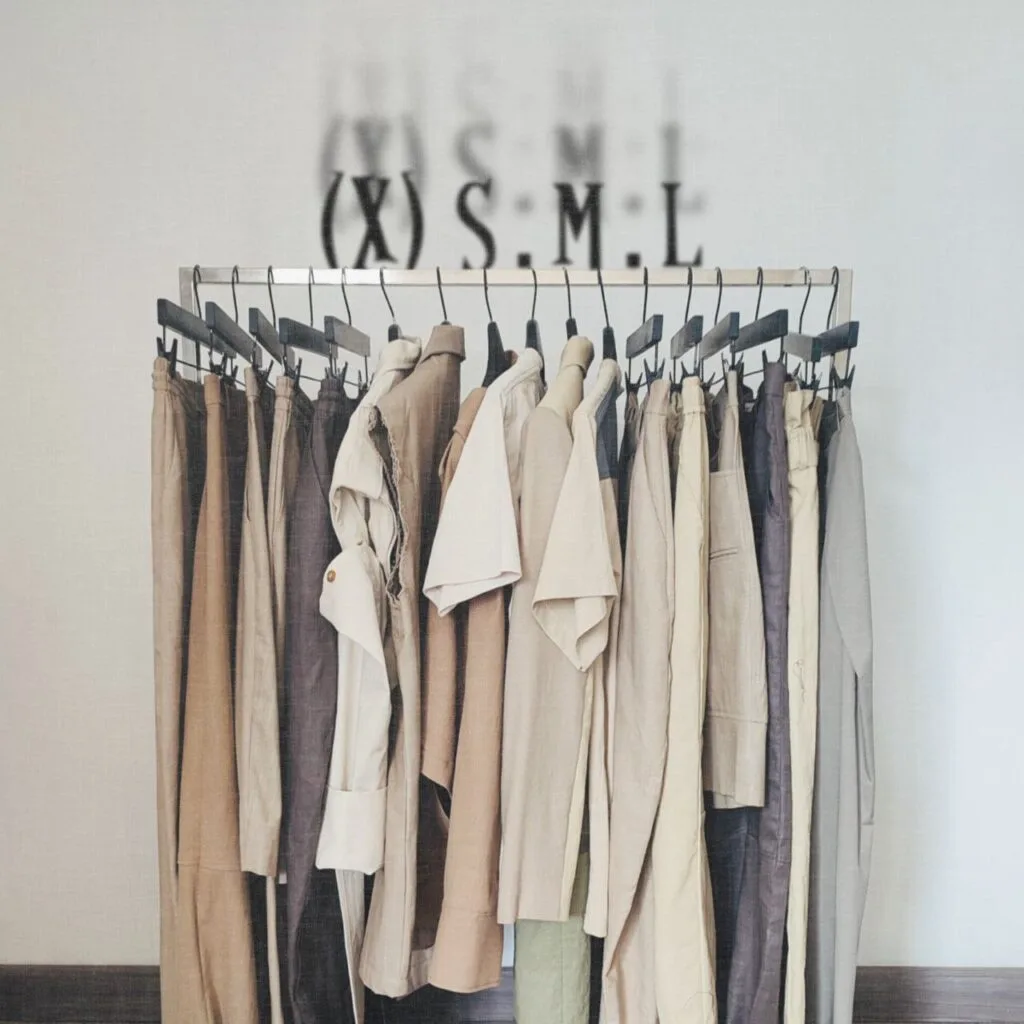



Dear Planet, we hear you.
With climate change, deforestation, plastic pollution, coral reef loss, biodiversity decline, and water scarcity all accelerating, fashion doesn’t always make the shortlist of solutions—or problems. Yet the truth is sobering: the clothing industry remains resource-intensive and often harmful to people and the environment. The brighter news? Sustainable fashion directly tackles many of these issues and proves that style and responsibility can coexist. Its aim is a system that minimizes harm across the value chain and, ultimately, leaves no negative footprint.
Below are six clear ways sustainable fashion contributes to a healthier planet—plus simple steps you can take today.

Fast fashion is energy-hungry—from fiber production and dyeing to global shipping. Sustainable brands:
Prefer lower-impact materials (e.g., organic cotton, linen, hemp, Tencel/Lyocell) that generally require fewer inputs
Invest in renewable energy and cleaner dyeing/finishing technologies
Manufacture closer to where products are sold to cut transport emissions
Tip: Choose timeless pieces made from natural or certified low-impact fibers, and prioritize brands that publish their carbon reduction targets.
Conventional leather, fur, and exotic skins drive animal suffering and heavy chemical use. Today’s sustainable fashion embraces cruelty-free innovation:
Plant-based and bio-fabricated alternatives (e.g., pineapple leaf fiber, cactus leather, mushroom mycelium)
Recycled materials (e.g., ocean-bound plastics upcycled into polyester)
Lab-grown and bioengineered silk or wool alternatives
Tip: Look for “vegan” or “cruelty-free” claims backed by credible certifications, and favor recycled or plant-based materials.

Water scarcity is one of fashion’s biggest blind spots. Cotton and wet-processing stages (dyeing, washing, finishing) can be extremely water-intensive. More responsible options:
Organic and rain‑fed cotton, or bast fibers like hemp and flax/linen
Closed-loop systems that recycle processing water
Low‑impact or natural dyes and digital printing to reduce water usage
Tip: Check whether a brand reports water usage and treatment; choose fibers and processes known for lower water footprints.

Behind cheap clothing are often unsafe factories, poverty wages, and excessive overtime. Ethical brands work to change this by:
Paying living wages and ensuring safe, legally compliant workplaces
Allowing freedom of association and independent audits
Building long-term supplier relationships that improve stability for workers
Tip: Seek transparency supplier lists, audit summaries, living wage progress—not just glossy marketing claims.
Globalized supply chains send products on long, emission-heavy journeys. Local and regional production can:
Shorten lead times and reduce transport impacts
Preserve artisan skills and cultural craftsmanship
Circulate money within communities and create resilient jobs
Tip: Explore locally made fashion, from small ateliers to regional mills; quality often improves and repair services are easier to access.
Sustainable fashion isn’t one industry it’s an ecosystem. Growth in regenerative agriculture, fiber innovation, circular design, repair and resale, rental, and recycling creates new roles in:
Farming and material science
Manufacturing and clean-tech
Retail, logistics, take-back, and refurbishment
Tip: Support brands offering repair, resale, or take-back programs—they help scale circular jobs and keep products in use longer.
Buy less, choose well: Opt for durable, versatile pieces you’ll wear at least 30 times.
Read labels: Favor certified materials (e.g., GOTS for organic fibers, FSC for wood-pulp fibers, Fair Trade for labor practices).
Care smart: Wash cold, line dry, and repair before replacing to cut emissions and waste.
Go circular: Swap, rent, thrift, or resell to extend a garment’s life.
Ask questions: Email brands about wages, water, and emissions consumer pressure drives change.
References: