

I invite you to explore the art of wine with a relaxed, purposeful spirit—from the romance of Paris to the practical ways we read aromas and flavors in a glass. No rigid dogma here; just guidance that helps your palate and mind have a friendly conversation.
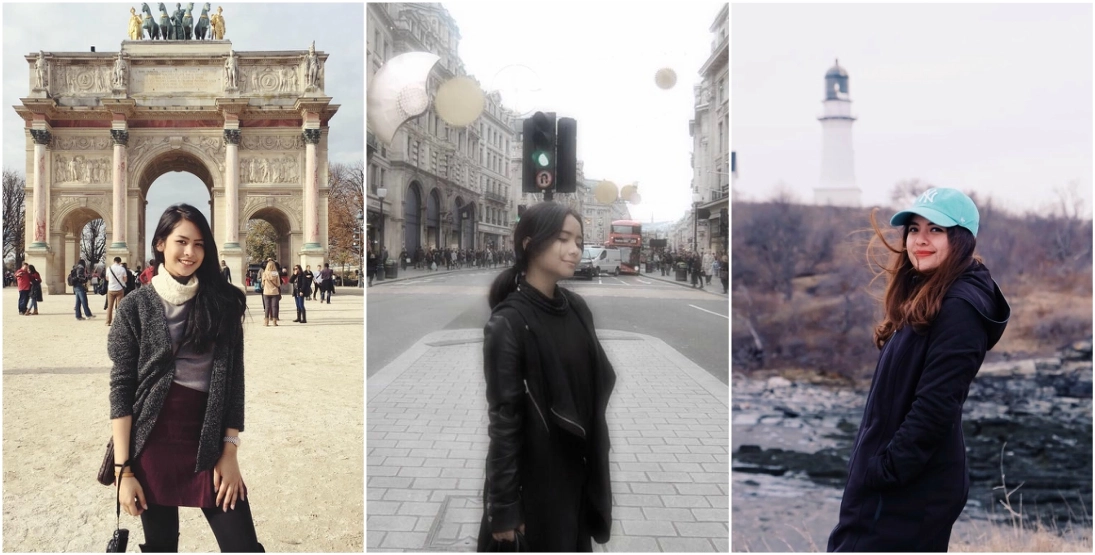
We often picture Paris under the shadow of the Eiffel Tower, but its essence goes beyond that icon. The city blends fashion, art, architecture, cuisine—and yes, wine—into a lifestyle that’s classic without trying too hard. That’s why it feels like the capital of love: it celebrates the finest things in life with lightness and elegance.
Wine is personal. Two people may smell the same glass and call it different things—one says green apple, the other says lime. That’s normal. What matters is discovering what fits your palate and brings you joy.
The old rule “red with red meat, white with white meat” isn’t scripture.
Choose wines that complement or intentionally contrast a dish’s flavors.
Keep simple notes; preferences sharpen with practice.
Understanding common terms helps us speak the same language at the table.
Mineral / Minerality: Can give a sharp, slightly saline, or chalky impression—think of the crisp edge in hard water. It’s more about texture and freshness than “tasting rocks.”
Oaky / Woody: Oak aging can add vanilla, coconut, baking spices, toast, or caramel notes. Wood tannins may bring fuller body with a subtle bittersweet edge.
Tannin: The compound responsible for that drying grip on your gums—common in reds. It comes from grape skins, seeds, stems, and also from oak.
Fruit-forward: Fruit flavors lead the way—from plum and black cherry to citrus. This doesn’t mean sweet; wines can be dry yet expressive.
Acidity: The freshness that lifts flavors and helps wines pair with richer, fatty foods.
Look: Observe color and clarity; they hint at age and style.
Swirl: Oxygen helps aromas open up.
Smell: Take short sniffs and note first impressions (fruit, floral, spice, wood, mineral).
Sip: Let the wine coat your palate; assess structure—acidity, tannin, alcohol, and the length of the finish.
Forget color rules; think about intensity and key flavor elements.
Harmony (Complement):
Creamy, savory dishes love high-acid whites that cut through richness.
Subtly spiced dishes pair well with gently aromatic wines.
Contrast:
Warm heat plays nicely with off-dry, lower-alcohol wines.
Charred, crusted meats welcome firm tannins that “reset” the palate.
Oak barrels: Layer in complexity (vanilla, toast), add texture, and sometimes extra tannin.
Stainless steel tanks: Preserve freshness and pure fruit without wood influence.
Bottle age: Develops secondary and tertiary notes—leather, tobacco, mushroom, honey—depending on style and time.
There are no shortcuts. Keep a brief tasting journal: wine, vintage, origin, key aromas, dominant flavors, food pairings, and overall impression. In a few months, your preferences will reveal themselves.
—
Source: adapted from Augustman.
to enjoy 20% VIP Discount online and at all stores plus 50,000 points that you can use for your initial purchase
at checkout
12-14 December 2025