

First impressions matter. In fashion and retail, packaging is the first handshake with your customer—it frames perceived quality, signals brand values, and nudges purchase behavior. Among the many packaging options, kraft paper stands out as a durable, versatile, and eco‑smart choice. If you’re considering switching, this guide breaks down what kraft paper is, why it’s kinder to the planet, and how it performs in real‑world use.
Kraft paper is produced via the kraft pulping process, where wood chips are cooked in a hot alkaline solution—primarily sodium hydroxide and sodium sulfide—to separate cellulose fibers from lignin and other components. This results in long, strong fibers with excellent wet strength. The paper is often micro‑creped to add porosity and elasticity, improving tear resistance and flexibility. Naturally biodegradable, kraft paper typically retains its warm, woody appearance—a neutral canvas that suits minimal, rustic, or premium branding alike.
Eco‑friendly by design: Kraft paper is recyclable and typically compostable, enabling responsible end‑of‑life options for consumers. Compared with many other pulping methods, the kraft process uses fewer additives, and mills commonly recover and reuse process chemicals. Byproducts such as tall oil and turpentine are often repurposed, further reducing waste.
Lower environmental burden than plastic: Unlike many plastic films and foams that can persist in landfills for centuries, kraft paper can break down naturally under composting conditions or be recycled into new fiber products, helping brands lower their footprint without sacrificing functionality.
Durable and reliable: High tensile and tear strength make kraft paper suitable for shipping bags, product boxes, mailers, and labels. It withstands handling, stacking, and a range of temperatures. Despite its strength, it remains lightweight—useful for reducing shipping mass and costs.
Degradable and reusable: In typical conditions, kraft paper degrades relatively quickly compared with synthetic alternatives. It can also be repurposed for wrapping, void fill, note‑taking, or craft projects before entering recycling or composting streams.
Natural look and brand appeal: The earthy brown tone offers an immediate visual cue of sustainability. It pairs well with black or white inks, foils, embossing, and spot‑color branding, creating a premium‑yet‑honest aesthetic.
Product boxes and sleeves for apparel and accessories
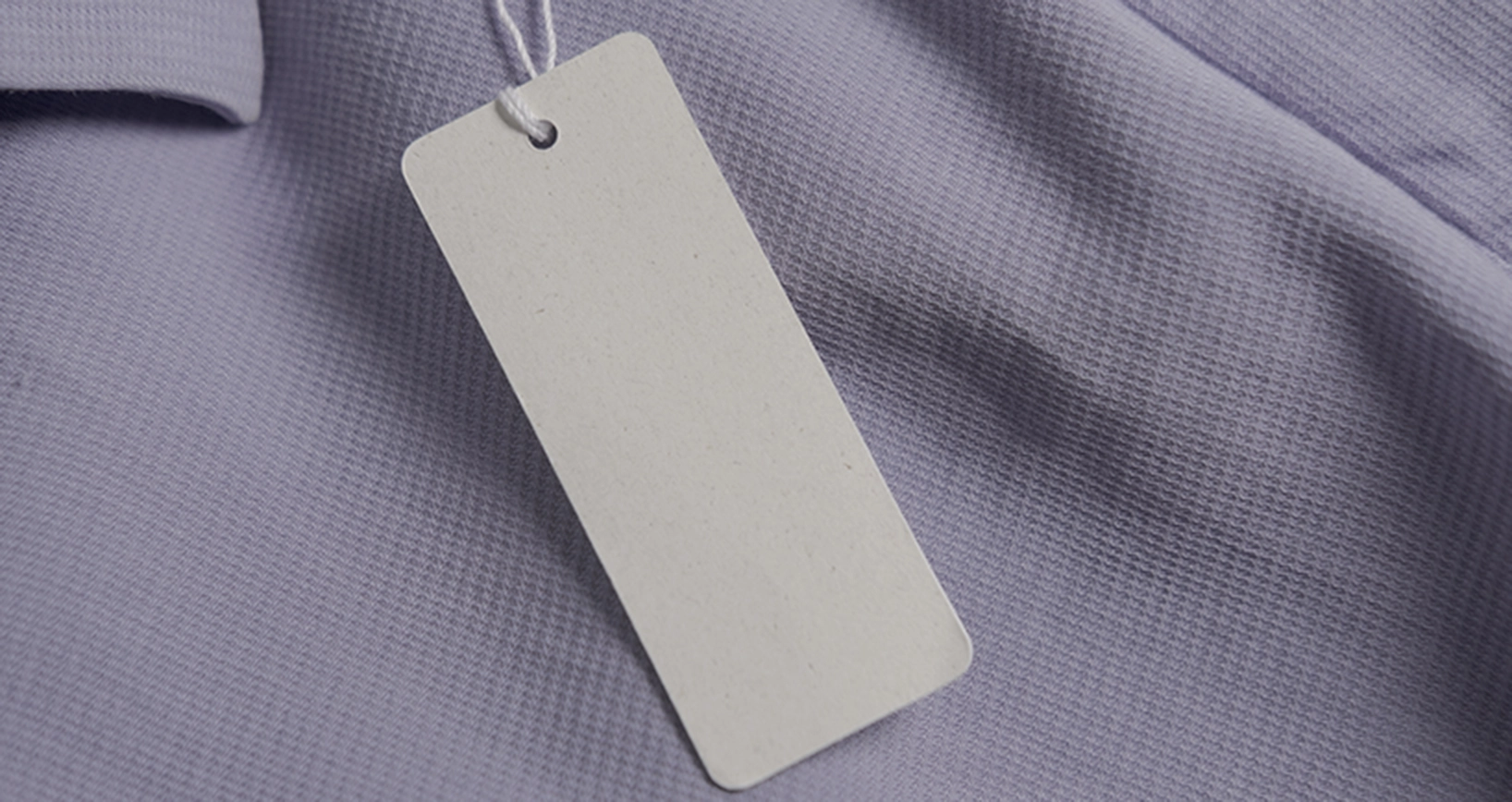
Hang tags, belly bands, and garment labels
E‑commerce mailers and shipping bags
Tissue alternatives and protective wraps
Sticker labels and seals for minimalist packaging
Two quick tips:
Choose the right basis weight (gsm) for the job: lighter for inner wraps, heavier for rigid boxes and mailers.
Consider unbleached (natural) vs. bleached (white) kraft depending on your print and color fidelity needs.
Sourcing: Opt for FSC‑ or PEFC‑certified fibers to support responsible forestry.
Inks and coatings: Use water‑based inks and avoid plastic‑heavy laminations that can obstruct recycling.
Adhesives: Select recyclable or compostable adhesives, especially for labels and tapes.
End‑of‑life guidance: Print simple disposal icons or instructions so customers know how to recycle or compost.
Moisture resistance: For humid or wet conditions, consider water‑resistant or PE‑free barrier coatings that remain repulpable.
Print quality: Run print tests; kraft’s absorbency and color can mute bright tones—spot colors and high‑contrast designs often perform best.
Structural integrity: Reinforce stress points on bags (handles, bottoms) and choose multi‑ply constructions for heavy items.
Is kraft paper always compostable? Generally yes when uncoated and free of synthetic additives. Check local guidelines and supplier specs.
Will kraft paper tear easily? Quality kraft paper has high tear resistance; choose appropriate gsm and construction.
Can it replace all plastic packaging? Not always. For liquid barriers or long‑term moisture exposure, hybrid solutions or specialty papers may be required.
Kraft paper blends strength, versatility, and a naturally sustainable profile—making it a smart upgrade for brands that want packaging that looks good, performs well, and aligns with modern environmental expectations.
References:
to enjoy 20% VIP Discount online and at all stores plus 50,000 points that you can use for your initial purchase
at checkout
12-14 December 2025