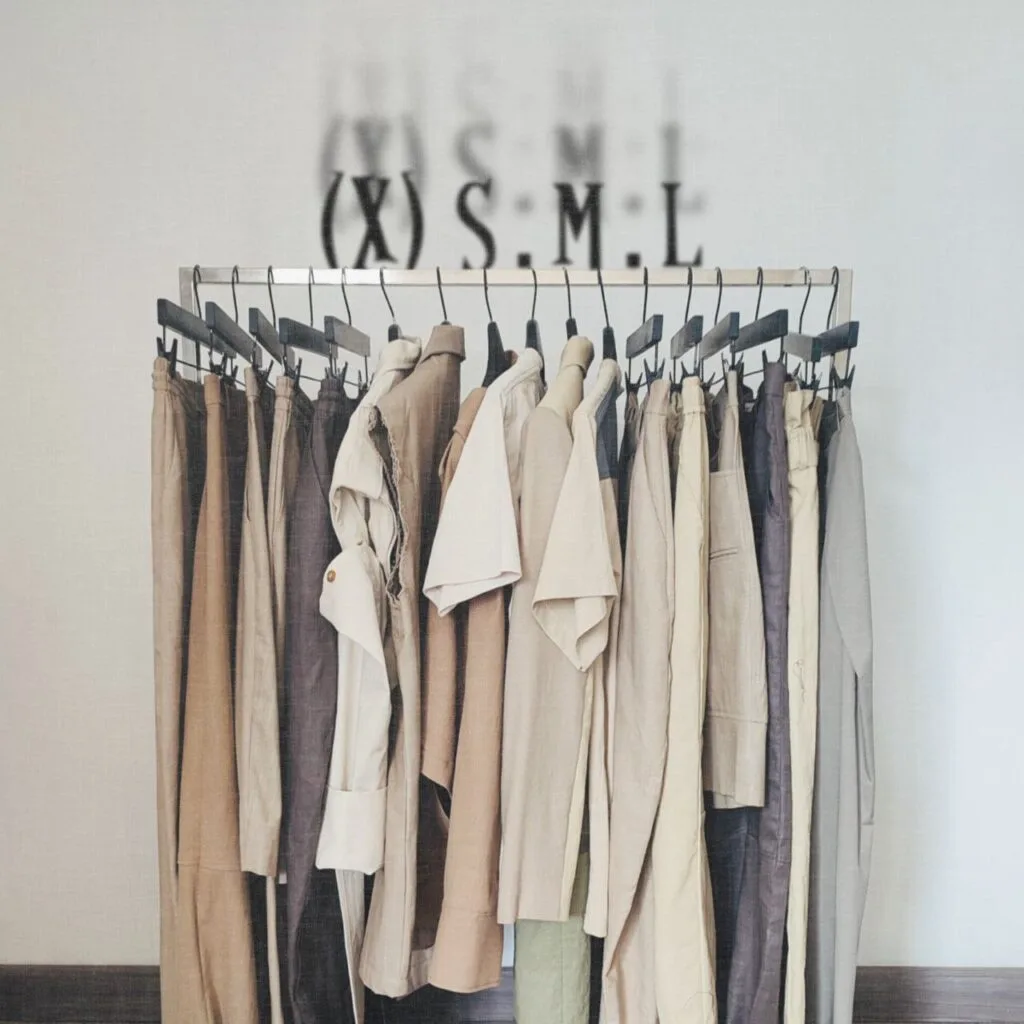


Sustainability has quickly moved from a niche concern to a mainstream expectation in fashion. As consumers, we’re asking sharper questions: How long will this last? Who made it? What happens when I’m done with it? In this article, I unpack the differences between fast and slow clothing, clarify common terms like “sustainable” and “ethical,” and offer practical tips for choosing better.
Sustainable fashion focuses on minimizing environmental impact across a garment’s life cycle—from fiber selection and dyeing to use, care, and end-of-life (reuse, repair, recycling). It favors durable designs, responsible materials, and circular systems.
Ethical fashion centers human rights and animal welfare. It emphasizes safe working conditions, living wages, reasonable hours, and transparency. Often, sustainable and ethical practices overlap—but a product can be one without fully being the other.
Fast clothing refers to inexpensive, trend-driven pieces produced at high speed to capture viral styles while demand is hot. The model prioritizes volume, novelty, and low price over durability.
Key traits of fast clothing:
Rapid design-to-shelf cycles and frequent new drops
Low production costs and thin margins per item
Lower-quality materials and construction, limiting longevity
Limited transparency across supply chains
Waste and overconsumption: Short product lifespans lead to massive textile waste. Many garments are discarded after only a handful of wears.
Carbon and resource intensity: High-volume production requires significant energy, water, and chemicals, driving emissions and pollution.
Labor concerns: To keep prices low, supply chains may rely on underpaid labor, long hours, and unsafe conditions. Oversight is difficult when production is fragmented.
Slow clothing flips the script. It prioritizes quality, longevity, and respect for people and the planet over speed.
Core principles of slow clothing:
Thoughtful design meant to last beyond a single season
Lower production volumes and longer lead times
Higher-quality materials and construction for durability and repair
Ethical labor practices with greater supply-chain transparency
Circularity strategies such as take-back, repair, resale, and recycling
Consumers want fewer, better pieces they can wear for years.
Brands are experimenting with innovative materials (e.g., organic cotton, recycled fibers) and cleaner dyeing.
Fashion weeks and industry groups increasingly highlight sustainability initiatives.
Fast clothing often relies on low-cost production with limited visibility into labor conditions.
Slow clothing tends to commit to living wages, safe workplaces, and transparent supply chains.
Fast clothing offers low upfront prices but can be expensive over time if items wear out quickly.
Slow clothing typically costs more initially but pays off in longevity and cost-per-wear.
Fast clothing uses cheaper textiles and construction methods, often leading to pilling, seam failures, or misshaping.
Slow clothing favors durable fabrics, reinforced seams, and repairability.
Fast clothing frequently uses conventional synthetics and finishes with higher environmental footprints.
Slow clothing leans on organic, recycled, or responsibly sourced fibers and lower-impact processes.
Fast clothing brands share limited data on sourcing and impacts.
Slow clothing brands often publish supplier lists, certifications, and impact reports.
Fast clothing is widely available and affordable, making it accessible to more shoppers.
Slow clothing can be pricier and less ubiquitous, though resale, rentals, and capsule wardrobes improve access.
Buy less, choose well: Build a versatile capsule so items mix-and-match and get worn often.
Check materials: Favor organic cotton, linen, hemp, recycled polyester/nylon, TENCEL Lyocell, and RWS-certified wool.
Prioritize durability: Look at stitching density, seam finishes, buttons, zippers, and fabric weight.
Care smartly: Wash cold, air dry, mend small issues early, and use microfiber filters for synthetics.
Explore alternatives: Thrift, swap, rent for special occasions, or buy secondhand from quality brands.
Seek transparency: Look for credible certifications (e.g., GOTS, Fair Trade Certified, OEKO-TEX, RDS/RWS) and brand impact reports.
One example of sustainable material choices is the use of organic cotton. Compared with conventional cotton, it typically avoids synthetic pesticides, uses less water in certain growing regions, and can reduce chemical runoff. Some XSML pieces incorporate organic cotton, which supports lower-impact farming and gentler processing.
The future of fashion leans toward fewer, better, and fairer garments. Fast clothing wins on price and availability, but slow clothing wins on durability, impact, and transparency. When we buy thoughtfully, care for what we own, and support ethical brands, we help shift the industry—one wardrobe at a time.
References:
to enjoy 20% VIP Discount online and at all stores plus 50,000 points that you can use for your initial purchase
at checkout
12-14 December 2025