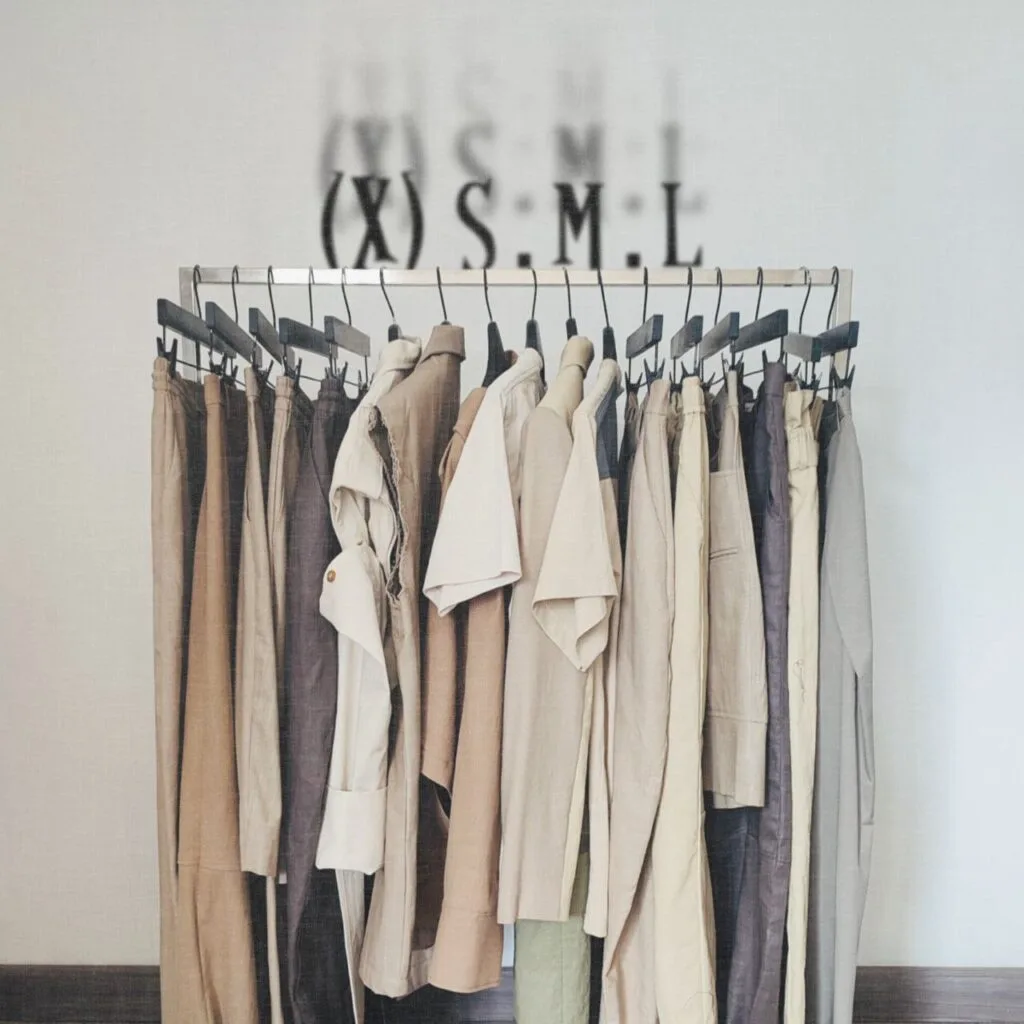
Sustainable fashion is about designing, producing, and using clothing in ways that minimize environmental harm and maximize social responsibility. It goes beyond a single label or collection; it means cutting CO2 emissions, tackling overproduction, reducing pollution and waste, protecting biodiversity, and ensuring garment workers receive fair wages and work in safe conditions. No single brand has perfected this, so our choices as consumers matter. Simply buying items labeled “sustainable” isn’t enough—we need to rethink how we shop, wear, care for, and dispose of clothes.
The fashion industry intersects climate, water, waste, and labor issues.
Few brands address all these challenges comprehensively, and continuous improvement is necessary.
Thoughtful habits—buying less, choosing well, and caring longer—can significantly reduce your footprint.
Choose well-made pieces with robust stitching, timeless cuts, and fabrics that can handle frequent wear. Higher initial costs often pay off through longer lifespans.
Prioritize garments you’ll wear at least 30 times.
Check fabric weight, seam strength, and repairability (e.g., replaceable buttons, sturdy zippers).
Keep a simple care routine to extend life: wash less, use cold water, air-dry.
Pre-loved clothing lowers demand for virgin materials and keeps garments in circulation.
Explore thrift stores, consignment shops, vintage boutiques, and reputable online resellers.
Hunt for natural fibers, classic silhouettes, and quality construction.
Enjoy the bonus: unique, one-of-a-kind finds at lower prices.
Not all fibers are equal—avoid resource-heavy or fossil-fuel-derived synthetics when possible.
Prefer natural or lower-impact options like organic cotton, linen, hemp, RWS-certified wool, or recycled fibers.
Be mindful: conventional cotton can be water- and pesticide-intensive; organic cotton and regenerative practices are better alternatives.
Look for credible certifications where relevant: Global Organic Textile Standard (GOTS) for cotton and wool, Leather Working Group (LWG) for leather, and Forest Stewardship Council (FSC) for viscose.
Landfilling textiles wastes resources and contributes to pollution. Extend the life of what you already own.
Donate: pass along wearable items to friends, local charities, or community closets.
Resell: use consignment stores and online marketplaces for items in good condition.
Recycle: bring worn-out textiles to brand take-back programs or local textile recycling drop-offs.
Mend: repair rips, replace buttons, patch holes; learn basic sewing or visit a tailor.
For events or trends you’ll wear once or infrequently, renting is a smart alternative.
Ideal for weddings, galas, maternity, or seasonal statement pieces.
Subscription models let you rotate wardrobes without constant buying.
Reduces one-and-done purchases and the associated production footprint.
Marketing can mislead—verify claims before you buy.
Look beyond buzzwords like “eco,” “conscious,” and “responsible.”
Check for concrete data: material breakdowns, supplier lists, certifications, audit summaries, and repair/take-back programs.
Prefer brands that publish goals, timelines, and progress—not just promises.
Wash in cold water and air-dry to cut energy use and extend fabric life.
Use a microplastic filter bag or device when washing synthetics.
Spot-clean when possible and avoid excessive dry cleaning.
Start with a small, versatile core: tops, bottoms, layers, and shoes that mix-and-match.
Add seasonal pieces thoughtfully and track what you actually wear.
Set a budget and a waiting period before buying to curb impulse purchases.
Every small, consistent action compounds. By prioritizing quality, circular choices, better materials, and transparency, you’ll build a wardrobe that looks good, lasts longer, and does better by people and the planet.
References:
to enjoy 20% VIP Discount online and at all stores plus 50,000 points that you can use for your initial purchase
at checkout
12-14 December 2025